Whale Eye in Dogs: What It Means and What to Do
By Dog Translator · · 6 min read
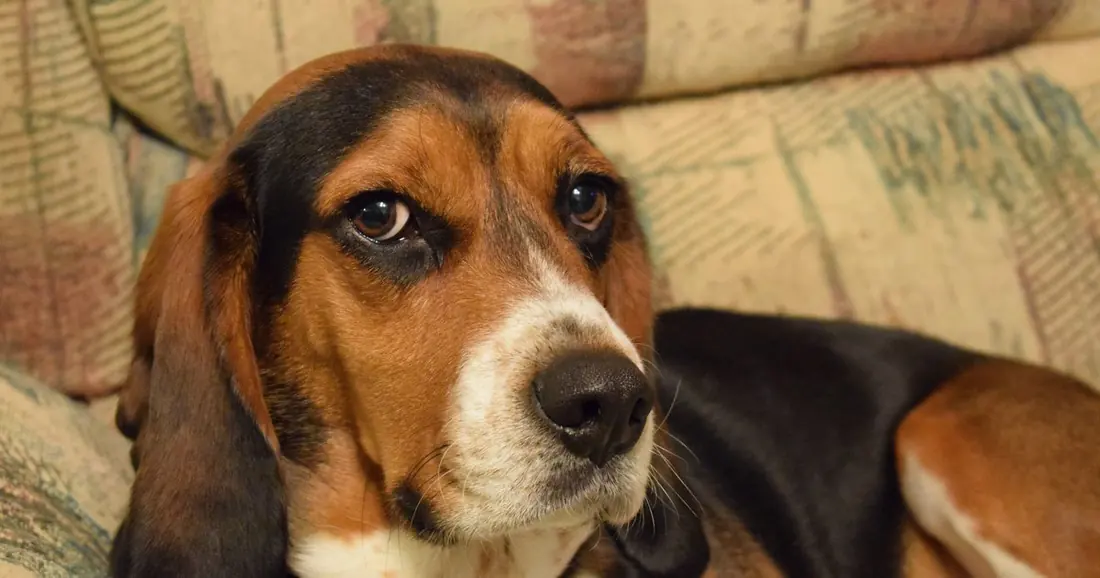
Whale eye is when a dog shows the whites of its eyes, usually as a crescent at the corner or the bottom, because its head is turned one way while its eyes stay locked on something else. AKC describes it as a sign that a dog feels anxious, worried or pressured. It is one of the most useful signals to learn because it often shows up before a growl, and it is easy to miss if you are looking at the tail.
What whale eye looks like
| Feature | Relaxed dog | Whale eye |
|---|---|---|
| Eyes | Soft, almond-shaped, normal blinking | Whites visible as a half moon, eyes fixed |
| Head | Faces what it is looking at | Turned away while the eyes stay on the thing |
| Body | Loose, weight even | Still, stiff or leaning away |
| Mouth | Relaxed, often slightly open | Closed tight, possibly lip licking |
| Ears | Neutral for the breed | Pulled back or flattened |
The key is the combination. White showing in the eye with a soft, relaxed face can just be the dog looking up at you from a lying position. White showing with a frozen body and a closed mouth is the warning.
What causes it
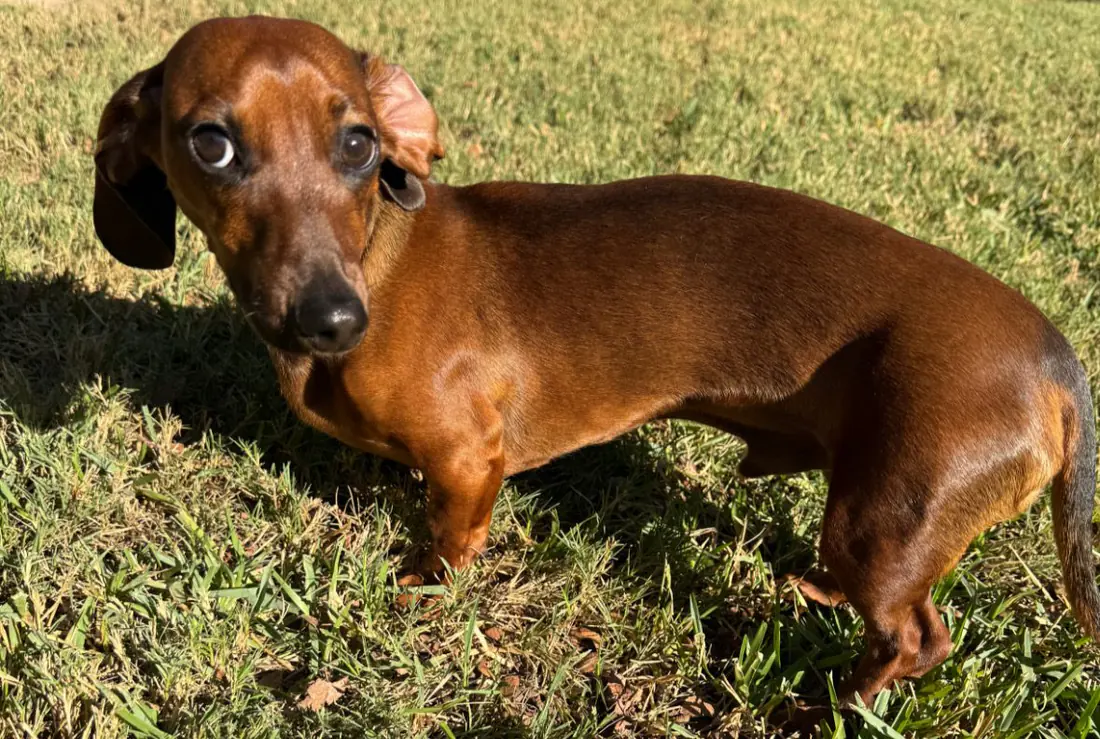
AKC gives two examples: a dog that fears losing a valued toy, and a dog uncomfortable with a particular interaction. In everyday life, these are the situations where owners see it most:
| Situation | What the dog is saying | Your move |
|---|---|---|
| Being hugged | 'I do not like being held like this' | Let go, pet it beside you instead |
| Someone near its food, chew or toy | 'This is mine, do not take it' | Walk away; trade up later |
| Being handled: nails, ears, grooming | 'This is too much' | Pause; go slower, use treats |
| A child leaning over it | 'I feel trapped' | Separate them calmly |
| At the vet or on a table | 'I am scared' | Breaks, treats, a calmer approach |
| Being stared at by a stranger | 'Please go away' | Ask the person to look away and give space |
Why owners miss it
Subtle stress signals are easy to overlook. In a 2012 study in the Journal of Veterinary Behavior, Italian researchers surveyed dog owners about how they recognize stress in their dogs. Owners readily named obvious signs like trembling and whining, but far fewer mentioned subtle ones such as yawning, nose licking and looking away. Whale eye sits in that subtle category. It is quiet, it lasts a few seconds, and people are usually looking at the wagging tail or smiling at the cute hug photo.
It usually travels with other quiet signals. Lip licking is one: a 2018 study found dogs lick their mouths more when they look at angry human faces. Yawning when not tired, turning the head away and freezing are others. Our lick guide covers the lip-licking part in detail.
What to do when you see it
- Stop what you are doing. Whatever you, a child or a guest was doing at that moment is the likely cause.
- Give space. Step back, turn slightly sideways and let the dog move away if it wants.
- Do not punish it or the growl that may follow. AKC warns that punishing warning signals makes a bite without warning more likely.
- Work out the trigger and change the situation, so the dog does not need to warn next time.
- If it happens often around food, toys or handling, get a certified trainer or veterinary behaviorist involved.
Whale eye and the warning sequence
Dogs usually escalate gradually. Quiet signals like looking away, lip licking and whale eye come first. Then freezing, a hard stare, a growl, a lifted lip. A snap or bite is the last step, not the first. When people say a dog bit 'out of nowhere', it often means the early steps were missed or punished away. Seeing whale eye and backing off is how you keep the conversation at step one. Our guide to why dogs growl covers the next stages.
Whale eye between dogs
Dogs use whale eye with each other too. A dog lying with a chew, head turned, eyes tracking another dog as it walks closer, is saying 'not one step further'. A dog being sniffed by a pushy newcomer may show whale eye and freeze. If the other dog backs off, the system worked. If it keeps coming, step in before the warning has to get louder. Feeding dogs separately and picking up high-value chews when dogs share space prevents most of these standoffs.
Practice reading it
Whale eye is easier to spot once you have seen it a few times. A few ways to train your eye without putting a dog under pressure:
- •Look through your own photos of your dog being hugged, dressed up or handled. Note where the eyes are pointing compared with the head.
- •Watch your dog during nail trims or brushing, and note the moment the eyes change. That is your cue to pause.
- •Watch other dogs at the park from a distance and look for heads turned one way, eyes pointed another.
- •Pay attention to what comes after: if the dog shakes off, licks its lips or walks away, the moment was stressful.
Breeds where it is harder to read
Some flat-faced breeds with prominent eyes, like the Pug and French Bulldog, show white around the eye even when relaxed, simply because of how their eyes sit. With those dogs, rely more on the body and mouth than on the eye itself. Hounds like the Beagle often look up at people from under their brows, which shows a sliver of white without any stress at all. Small dogs like the Chihuahua get picked up and hugged a lot, and they are the ones whose whale eye gets ignored most often.
Whale eye during handling
Grooming, nail trims, ear cleaning and vet exams are where many dogs show whale eye, because they cannot leave. The fix is to make handling predictable and rewarded. Touch a paw, treat, let go. Next session, hold it a second longer. Stop before the eyes change, not after. Many vets and groomers now work this way, with breaks and treats, and a dog that has been taught to accept handling gently shows far less whale eye over time. If your dog's whale eye at the vet comes with growling or snapping, ask your vet about a plan for calmer visits before the next appointment.
The hug photo problem
Look at photos of children hugging dogs and you will see whale eye constantly: head turned away, eyes sideways, ears back, mouth closed. Many dogs tolerate hugs; plenty do not enjoy them. Teaching children to pet a dog on the side of the body instead of hugging it, and to stop when the dog turns its head away, prevents a lot of bites. For the full set of body signals, see the dog body language guide.
Frequently asked questions
What does whale eye mean in a dog?
Whale eye, when the whites of a dog's eyes show as a half moon, signals that the dog feels anxious, worried or pressured. It often appears when a dog is guarding something or uncomfortable with an interaction.
Is whale eye a sign of aggression?
It is a warning sign that the dog is uncomfortable, which can come before a growl or a bite if the situation continues. Respond by giving space and removing the pressure.
Can a relaxed dog show the whites of its eyes?
Yes. A dog looking up at you while lying down, or a breed with prominent eyes, can show white without stress. Read the whole body: loose and soft means relaxed, stiff and frozen means worried.
What should I do if my dog gives me whale eye?
Stop what you are doing, step back and let the dog move away. Do not punish it. Figure out the trigger, such as a hug, handling or approaching its food, and change the situation.
Sources
- American Kennel Club: How to Read Dog Body Language
- Mariti C. et al. (2012). Perception of dogs' stress by their owners. Journal of Veterinary Behavior 7, 213-219.
- Albuquerque N. et al. (2018). Mouth-licking by dogs as a response to emotional stimuli. Behavioural Processes 146, 42-45.
- American Kennel Club: Why Dogs Growl, Meaning, Types, and How to Respond