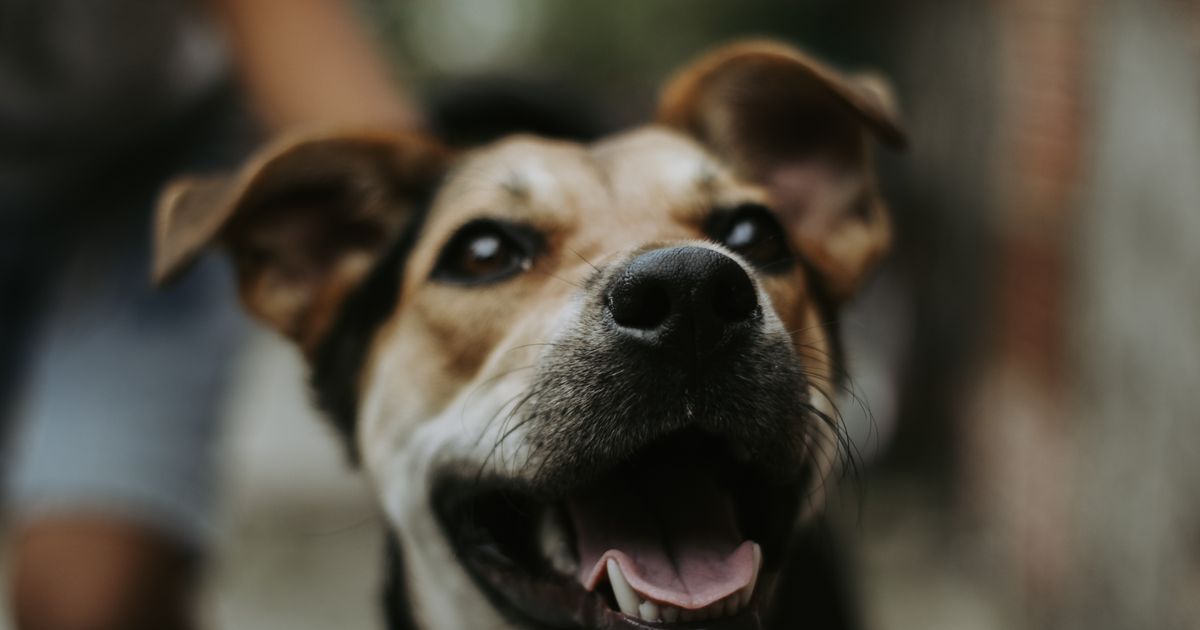
Dog Body Language: 12 Signals and What They Really Mean
7 min read
Sounds get the attention, but most canine communication is silent. Tail, ears, eyes, mouth and posture all carry meaning. Learn to read dog body language and you'll understand your dog far better than any bark translator alone.
The tail tells more than 'happy'
- •Loose, mid-height wag: relaxed and friendly.
- •High, stiff, fast wag: alert or aroused, not necessarily friendly.
- •Low or tucked tail: nervous, unsure or submissive.
- •Slow wag with stillness: cautious, evaluating the situation.
Ears and eyes
- •Ears forward: interested or alert.
- •Ears pinned back: fear, stress or appeasement.
- •Soft, blinking eyes: calm and comfortable.
- •'Whale eye' (whites showing): anxiety, give the dog space.
The play bow
Front legs down, rear up, tail wagging, the universal dog invitation to play. It also acts as a 'reset' that says 'everything I do next is just for fun', which is why play growls and bites stay gentle.
Calming signals
Yawning, lip-licking, turning away and sniffing the ground can all be 'calming signals', ways dogs defuse tension, in themselves or others. Out of context (no food, not tired), a yawn often means 'I'm a bit stressed.'
Putting it together
Never read a single signal in isolation. A wagging tail on a tense, frozen body is not an invitation. Watch the whole dog, tail, ears, eyes, mouth and posture together, and you'll 'hear' what your dog is saying long before they make a sound.