🐶 Beagle Sounds
A scent hound with three voices, including the famous bay.
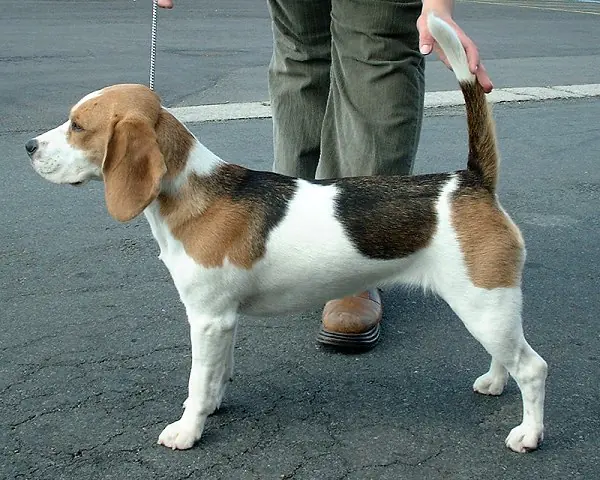
Bred as pack scent hounds, Beagles were built to be loud, a carrying voice let hunters follow them through fields and brush. That heritage makes the modern Beagle one of the most vocal companion breeds, with a famous three-part repertoire of bark, howl and bay.
Beagle sound chart
| Sound | What it means |
|---|---|
| Drawn-out bay | Scent-hound hunting voice; triggered by smells or excitement. |
| Long howl | Answering other dogs, or protesting being left alone. |
| Sharp alert bark | Announcing visitors or changes. |
| Whining + howling when alone | Separation distress; common in the breed. |
The Beagle bay
The bay is the breed's signature, a loud, drawn-out, almost musical howl-bark used on a scent trail. Indoors it often fires off at exciting smells, other dogs or simply boredom.
Howling
Beagles howl to answer other dogs, sirens or to protest being left alone. Separation-related howling is common with this pack-oriented breed.
The alert bark
A standard sharp bark announces visitors and changes. Combined with their nose, Beagles make enthusiastic (if loud) little watchdogs.
Beagle sounds: frequently asked questions
Why are Beagles so loud?
They were bred as pack hunting hounds with a carrying voice so hunters could follow them. That built-in loudness, the bark, howl and bay, survives in the modern pet Beagle.
What is the difference between a Beagle's bark, howl and bay?
The bark is a short alert. The howl is a long, single-note call, often when lonely. The bay is the loud, drawn-out, musical hunting voice triggered by scents and excitement.
Do Beagles howl when left alone?
Often, yes. Beagles are pack dogs prone to separation-related howling. Gradual alone-time training, exercise and enrichment reduce it.
How do I stop my Beagle from baying so much?
Manage the triggers (scents, windows, boredom), give plenty of exercise and nose-work, and avoid rewarding the noise with attention. You won't erase the instinct, but you can lower the frequency.
Beagle behavior guides
- Why Do Dogs Howl? 6 Triggers and What Each MeansSirens, separation, pain or pure ancestry. The six triggers behind a howl, the breeds that do it most and the cases worth fixing.
- Signs Your Dog Loves You, Ranked by the EvidenceMost lists of signs your dog loves you are guesses. This one ranks them by what researchers have actually measured.
- Why Do Dogs Bark at Night? Diagnose It in 3 StepsWildlife, boredom, loneliness or a senior dog's confusion. Listen to the bark, check the pattern, then fix the cause.
- Whale Eye in Dogs: What It Means and What to DoWhen a dog shows the whites of its eyes, it is worried. How to spot whale eye, what causes it and how to respond.
- Why Do Dogs Roll in Grass? 5 Theories, RankedItch, cooling, play or a new perfume. The reasons dogs roll in grass, ranked by evidence, and when to stop it.
- Why Does My Dog Eat Grass? What the Data Actually ShowsMost grass-eating dogs are not sick and do not throw up. What the research shows, and when grazing is worth a vet call.
- Why Do Dogs Bark? The 7 Types and Who They Are ForBarking may have evolved mostly to talk to people. The seven types, what each sounds like, and how to answer.
- Why Does My Dog Eat Poop? What a 3,000-Dog Survey FoundOne in six dogs does it regularly. What a UC Davis survey found, why the products rarely work, and what does.
- Why Do Dogs Like Squeaky Toys? The Prey Sound ExplainedThe squeak sounds like small prey, and novelty wears off fast. What toy research shows, plus the safety rules.
- Why Do Dogs Chase Their Tails? Fun, Itch or CompulsionUsually play or boredom, sometimes an itch, occasionally a compulsion. How to tell, and what a 368-dog study found.