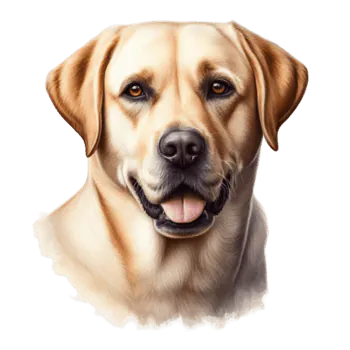
🐶 Labrador Retriever Sounds
Friendly and food-motivated, with an enthusiastic 'let's go' bark.
The Labrador is the world's most popular family dog, and its sounds are as friendly as its reputation. Labs are 'social barkers', they vocalize out of excitement far more than aggression, which makes them easy to read once you know the pattern.
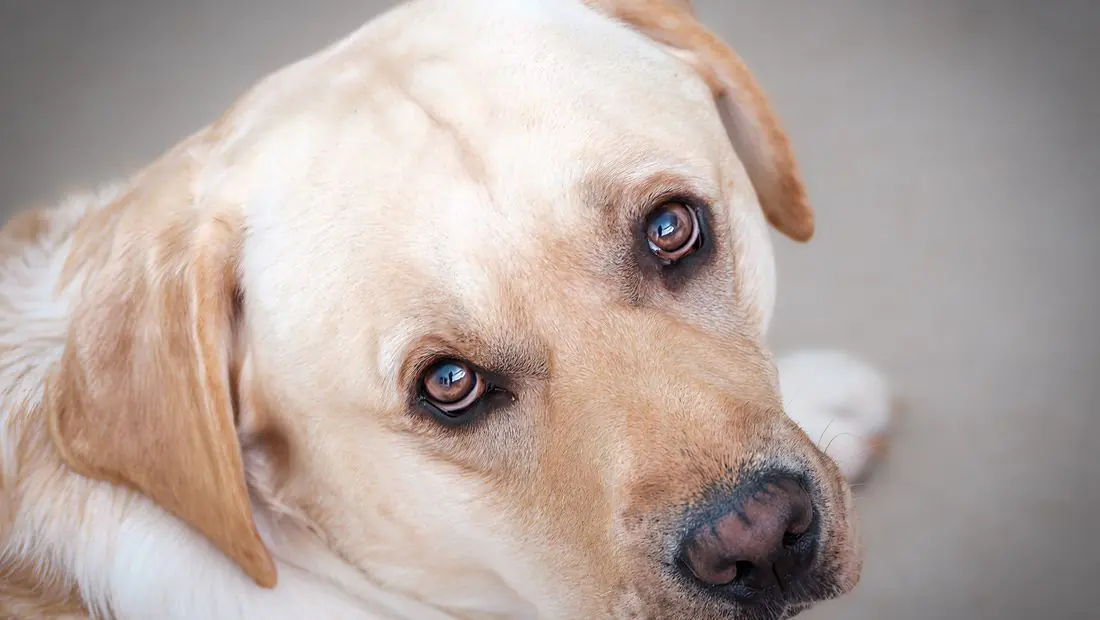
Labrador Retriever sound chart
| Sound | What it means |
|---|---|
| High bouncy bark + wiggle | Excited, wants to play. |
| Soft rising whine at the bowl | 'Is it dinner yet?' |
| Repetitive bark when alone | Boredom; needs exercise. |
| Excited bark at people/dogs | A social greeting, not aggression. |
Excited play barks
High-pitched, bouncy barks with a wiggly body are pure joy, usually a request to play or a reaction to seeing their favorite people or other dogs.
The food whine
Labs are famously food-motivated. A soft, rising whine near the kitchen or their bowl is the classic Labrador 'is it dinner yet?' signal.
Boredom barking
An under-exercised Lab can become a repetitive barker. These dogs need real daily activity, a tired Lab is a quiet Lab.
Labrador Retriever sounds: frequently asked questions
Do Labradors bark a lot?
Labs are social barkers, they vocalize from excitement more than aggression. Problem barking is almost always boredom in an under-exercised Lab.
Why does my Lab whine near the kitchen?
Labradors are famously food-motivated. A soft, rising whine near the bowl or counter is the classic 'is it dinner yet?' request.
How do I stop my Labrador from barking?
Exercise first, a tired Lab is a quiet Lab. Then avoid rewarding demand barks with attention or food, and reward calm behavior instead.
Are Labradors good guard dogs?
No. Labs are too friendly to guard, they'll typically greet a stranger happily. They make great family dogs but poor watchdogs.
Labrador Retriever behavior guides
- Signs Your Dog Loves You, Ranked by the EvidenceMost lists of signs your dog loves you are guesses. This one ranks them by what researchers have actually measured.
- Why Does My Dog Follow Me Everywhere? Velcro or AnxietyBonded, bored, bred for it or anxious. A checklist to tell a velcro dog from separation anxiety, and what to change.
- Why Does My Dog Lick Me? Read It by Where It LicksFace, hands, feet or its own lips. Where your dog licks tells you why, plus the one hygiene rule worth following.
- Why Does My Dog Shake? Shake-Off, Tremble or EmergencyA dry shake-off, trembling, head shaking or something urgent. Identify the kind of shaking first, then the cause.
- Why Do Dogs Roll in Grass? 5 Theories, RankedItch, cooling, play or a new perfume. The reasons dogs roll in grass, ranked by evidence, and when to stop it.
- Why Does My Dog Eat Grass? What the Data Actually ShowsMost grass-eating dogs are not sick and do not throw up. What the research shows, and when grazing is worth a vet call.
- Why Does My Dog Eat Poop? What a 3,000-Dog Survey FoundOne in six dogs does it regularly. What a UC Davis survey found, why the products rarely work, and what does.
- Why Do Dogs Pant? Normal Panting vs a Warning SignCooling, excitement, stress or pain. The breathing rates to know, the heat stroke signs and when panting is urgent.
- Why Do Dogs Like Belly Rubs? And When They Don'tTouch is rewarding for most dogs, but belly-up does not always mean 'rub me'. How to read the invitation.
- Why Do Dogs Yawn? Tired, Stressed or Catching YoursSleepy, stressed, calming things down or catching your yawn. How to tell the four kinds apart.
- Why Does My Dog Nibble on Me? Cobbing, Mouthing, BitingGentle front-teeth nibbling is usually affection or play. How to tell it from mouthing and biting.