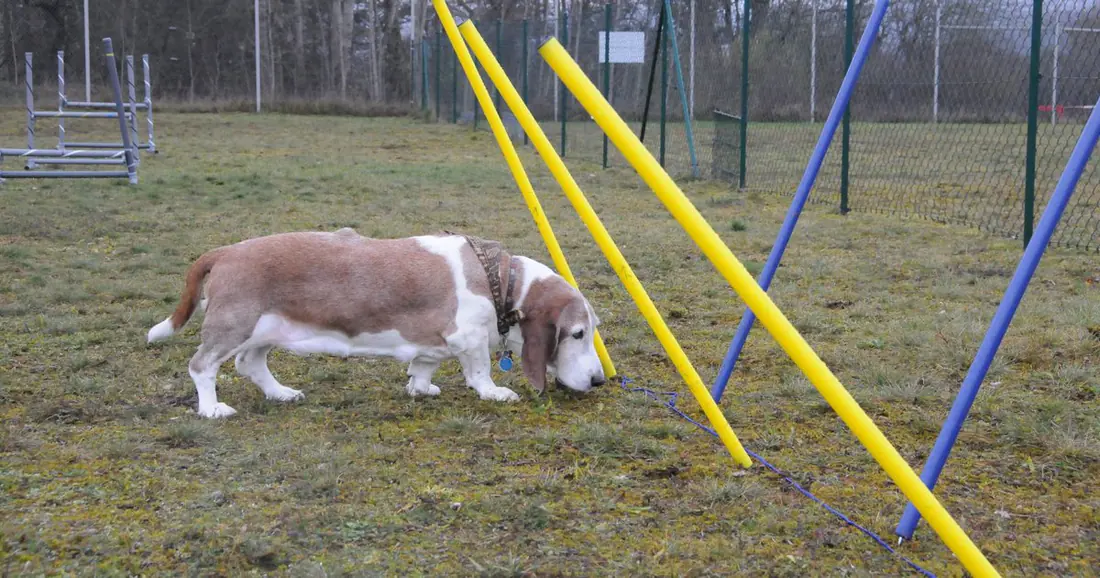
Why Does My Dog Eat Poop? What a 3,000-Dog Survey Found
By Dog Translator · · 6 min read
Dogs eat poop because, from a dog's point of view, it is not as strange as it is from ours. Mothers clean up after their puppies, puppies explore with their mouths, and dogs evolved as scavengers. The largest study on the habit, two surveys of about 3,000 dog owners led by Benjamin Hart at UC Davis, found it is common, has little to do with diet, and is very hard to stop with products. What does help is management.
The numbers
| Finding | Detail |
|---|---|
| How common | 16% of dogs were frequent poop eaters, seen doing it at least six times; about one in four had been seen at least once |
| Diet and age | No link was found to the dog's diet or age |
| House training | Poop eaters were as easy to house train as other dogs |
| Greedy eaters | Dogs described as greedy eaters were more likely to do it |
| Freshness | 92% of poop eaters wanted fresh stools, one to two days old |
| Whose poop | 85% would not eat their own, only other dogs' |
| Households | More common in multi-dog homes: 20% in single-dog homes, 33% in homes with three dogs |
| Products | The reported success rate of 11 commercial products and behavior methods was close to zero |
Why dogs do it
An old instinct
Hart's explanation is that eating fresh stools reflects an inherited tendency from wild ancestors, which kept the den clean of feces that could hatch parasites. That fits the finding that dogs overwhelmingly go for fresh stools, before parasite eggs become infective. It also fits mothers: AKC notes that mother dogs eat their puppies' poop for about the first three weeks.
Puppies exploring
Puppies put everything in their mouths, including poop. AKC says that in most cases the behavior fades before about nine months of age. It is not dangerous for a puppy to eat its own stool, but other animals' feces can carry parasites, viruses or toxins.
Medical causes
If an adult dog starts eating poop, AKC recommends a vet visit first. Parasites, steroid medications, malabsorption, diabetes, Cushing's disease, thyroid disease and anything else that increases appetite can play a role, as can a diet short on nutrients or calories.
Stress and environment
AKC lists several behavioral triggers: dogs kept isolated in kennels or basements, dogs confined in small spaces, and dogs punished harshly during house training, which may eat the evidence and then get punished more. Feeding a dog near where it eliminates can also blur the line between food smells and poop smells.
Attention
Few things get a faster reaction from an owner. If the dog learns that grabbing poop starts a chase around the yard, it has found a great game. AKC's advice is to avoid overreacting.
What actually works
Given that products barely worked in Hart's survey, the answer is management and training. AKC recommends:
- Pick up poop immediately, in the yard and on walks. No access, no habit.
- Keep the dog on leash in places where it finds poop.
- Train 'leave it' and a reliable recall, starting with easy distractions at home.
- Teach the dog to come to you for a treat right after it poops. It builds a habit of turning toward you instead of toward the pile.
- Keep the cat litter box clean and out of reach, using a gate or a dog-proof box.
- Keep feeding areas well away from elimination areas.
- Do not punish. It can make the problem worse, as AKC notes for dogs punished during house training.
What about supplements and deterrents?
AKC describes vitamin supplements, digestive enzymes and taste-aversion products added to food. Some owners report success. The UC Davis survey, which asked specifically about treatment results, found reported success close to zero for the products and approaches tested. If you try one, do it alongside management, not instead of it, and talk to your vet first if your dog has health issues.
A two-week plan
- Days 1 to 3: vet check if the habit is new or the dog is an adult; start picking up every stool immediately.
- Days 1 to 14: leash walks only where the dog finds poop; no unsupervised yard time.
- Days 2 to 14: practice 'leave it' twice a day at home with low-value items, then outside.
- Days 4 to 14: after every bathroom break, call the dog to you and reward with something better than anything on the ground.
- Throughout: keep the litter box out of reach and the yard clean, and stay calm if the dog grabs something.
Two weeks will not erase an instinct, but it breaks the routine of finding and eating stools and builds a new routine of turning toward you. Keep the management going after that; Hart's survey suggests the urge does not simply fade in adult dogs.
Will my puppy grow out of it?
Most likely. AKC says the behavior usually fades before about nine months of age. The best thing you can do in the meantime is limit access, so it never becomes a well-practiced habit, and keep parasite prevention up to date. If it continues well past adolescence, treat it as an adult habit and use the plan above.
Cat poop, goose droppings and frozen stools
AKC notes that many dogs find cat poop, horse manure and goose droppings especially appealing, and that dogs rarely eat soft or poorly formed stools, preferring hard ones. Frozen poop is apparently a winter favorite. Cat food is high in protein, which may make cat stool smell like food to a dog. The same management applies: limit access, supervise, reward the dog for coming away.
Is it dangerous?
A dog eating its own fresh stool is mostly a hygiene issue. Eating other animals' feces carries more risk: intestinal parasites, viruses and, in some cases, medication residues or toxins. Keep up with fecal checks and parasite prevention, and keep your face away from the dog's mouth if it has this habit; our licking guide has the hygiene rule.
Breeds and poop eating
Hart's survey found greedy eaters more likely to eat poop, which matches the reputation of food-driven dogs like the Labrador, and nose-driven ones like the Beagle and Basset Hound, which find every interesting smell on a walk. It is not a breed rule, though. Any dog can pick up the habit, and the same management works for all of them. If your dog grazes on the lawn too, read why dogs eat grass; the reasons there are quite different.
Above all, keep perspective. Poop eating is unpleasant, but it is a normal dog behavior in many cases, not a sign of a bad dog or a failed owner. AKC notes it is sometimes cited as a reason people give up dogs, which is a shame given how manageable it is. Pick up promptly, supervise, reward the dog for coming to you, and check with your vet if anything else seems off.
Frequently asked questions
Is it normal for dogs to eat poop?
It is common. A UC Davis survey found 16% of dogs ate stools frequently and about one in four had done it at least once. Mothers clean up after puppies, and most puppies grow out of it by about nine months.
Does eating poop mean my dog is missing something in its diet?
The UC Davis survey found no link between poop eating and diet. Still, if an adult dog starts suddenly, see a vet to rule out parasites, malabsorption or conditions that increase appetite.
How do I stop my dog from eating poop?
Pick up stools right away, use a leash where the dog finds poop, train 'leave it' and recall, and reward the dog for coming to you after it eliminates. Do not punish.
Do poop-eating deterrent products work?
In the UC Davis survey, the reported success rate of 11 products and behavior approaches was close to zero. Management and training are more reliable.