🐩 Poodle Sounds
Highly intelligent and quick to 'tell you' exactly what it wants.
Don't let the elegant haircut fool you, Poodles are working dogs and one of the most intelligent breeds. That intelligence shows up in their voice: Poodles quickly learn which sounds get a reaction and will 'train' their owners with well-timed barks.
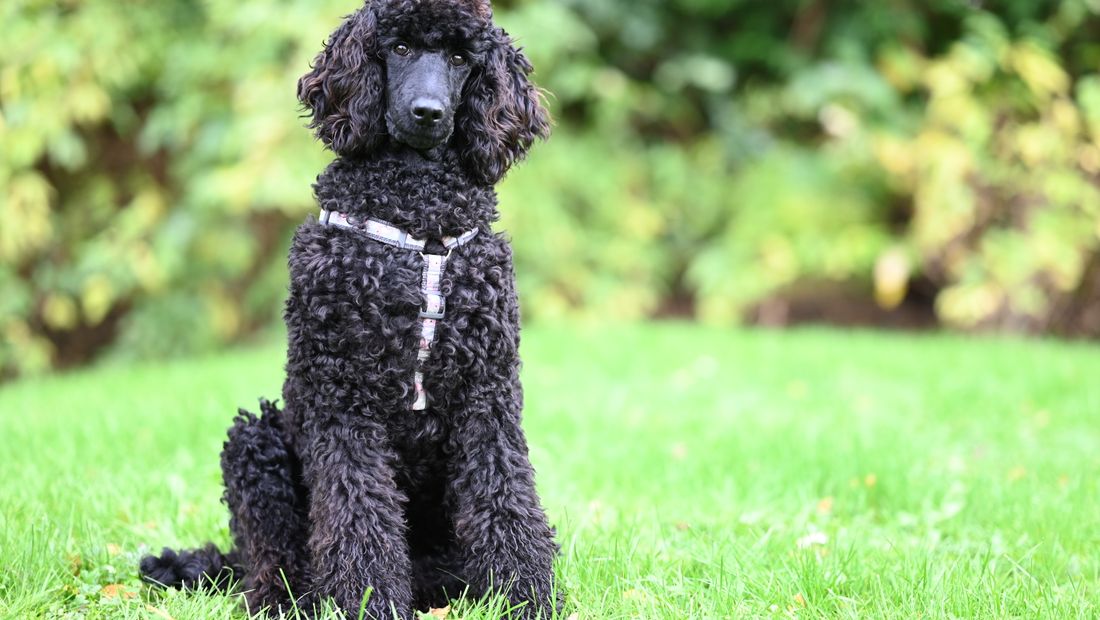
Poodle sound chart
| Sound | What it means |
|---|---|
| Sharp clear bark at visitors | Alert; Poodles are watchful. |
| Repeated demand bark | Learned, it's been rewarded before. |
| High excited yips | Play and greetings, especially toy and mini sizes. |
| Whine for attention | A smart bid for engagement. |
Alert barking
Poodles are watchful and will announce visitors, sounds and changes with sharp, clear barks. Early training helps channel this into a single alert rather than a full performance.
Smart demand barks
Because they learn fast, Poodles are prone to learned demand barking, barking that's been accidentally rewarded with attention or treats. Consistency is key.
Excited yips
Smaller Poodles especially produce excited high yips during play and greetings.
Poodle sounds: frequently asked questions
Do Poodles bark a lot?
They can. Poodles are alert and intelligent, which means they bark at changes and quickly learn that barking gets results. Early training keeps it to a single alert.
Why is my Poodle so vocal?
Intelligence. Poodles are one of the smartest breeds and learn which sounds earn attention or treats, then repeat them. They essentially train their owners.
How do I stop demand barking in a Poodle?
Consistency. Never reward the bark with attention, food or eye contact; reward quiet instead. With a smart breed, mixed signals make it worse.
Are Poodles good watchdogs?
Yes for alerting, no for guarding. They're quick to announce visitors but not aggressive, which makes them excellent alarm dogs rather than protectors.