🐕 Pembroke Welsh Corgi Sounds
A big-dog bark and herding 'talk' on short little legs.
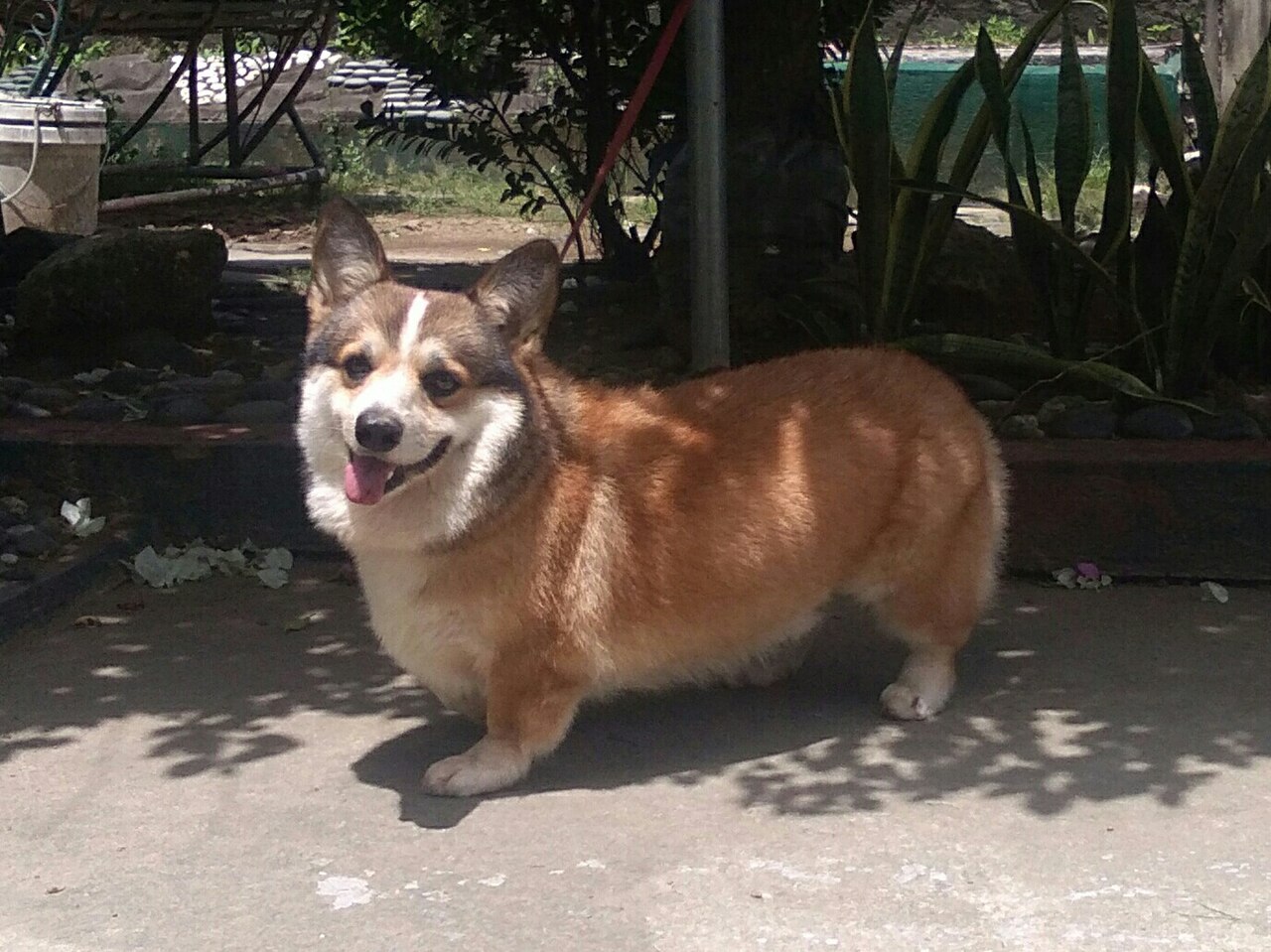
Don't be fooled by the short legs, the Pembroke Welsh Corgi is a true herding dog with the voice to match. Bred to move cattle by nipping and barking, Corgis are alert, vocal and quick to 'talk', often with a bark far bigger than their body suggests.
Pembroke Welsh Corgi sound chart
| Sound | What it means |
|---|---|
| Insistent deep bark | Herding instinct or announcing visitors. |
| Nipping + barking at heels | Herding behavior; redirect into training. |
| Grumbly 'talking' | A bid for attention, food or play. |
| Repetitive barking when idle | Boredom; needs a job. |
Herding barks
Corgis bark to control movement, of livestock, other pets, kids, even you. It's instinct, best redirected into training, games and structured activity.
The big-dog alarm bark
Watchful and territorial, Corgis announce visitors with a deep, insistent bark. Early 'enough' training keeps the alarm from running long.
Corgi 'talk'
Expressive grumbles, huffs and 'rooo' sounds are the breed chatting with you, usually a bid for attention, food or play.
Pembroke Welsh Corgi sounds: frequently asked questions
Do Corgis bark a lot?
Yes, Corgis are vocal herding dogs that bark to control movement and announce visitors. With exercise, training and an 'enough' cue it's manageable, but quiet isn't the breed's default.
Why does my Corgi bark and nip at my heels?
It's herding instinct. Corgis were bred to move cattle by nipping and barking at their legs, and they'll do the same to people and pets. Redirect it into training and games.
Why is my Corgi's bark so deep?
Despite their size, Corgis are real herding dogs bred to sound authoritative to livestock. That carrying, big-dog bark is part of the working package.
How do I stop my Corgi from barking so much?
Give it a job, daily exercise and mental work cut most of it. Then train a reliable 'quiet' cue and avoid rewarding alarm or demand barks with attention.